Hukarere Girls’ College Wharenoho
A home away from home for our kōhine
At Hukarere Girls’ College, our wharenoho is a living, learning and faith-filled kāenga where kōhine are known, nurtured and supported to grow spiritually, culturally, academically and personally.
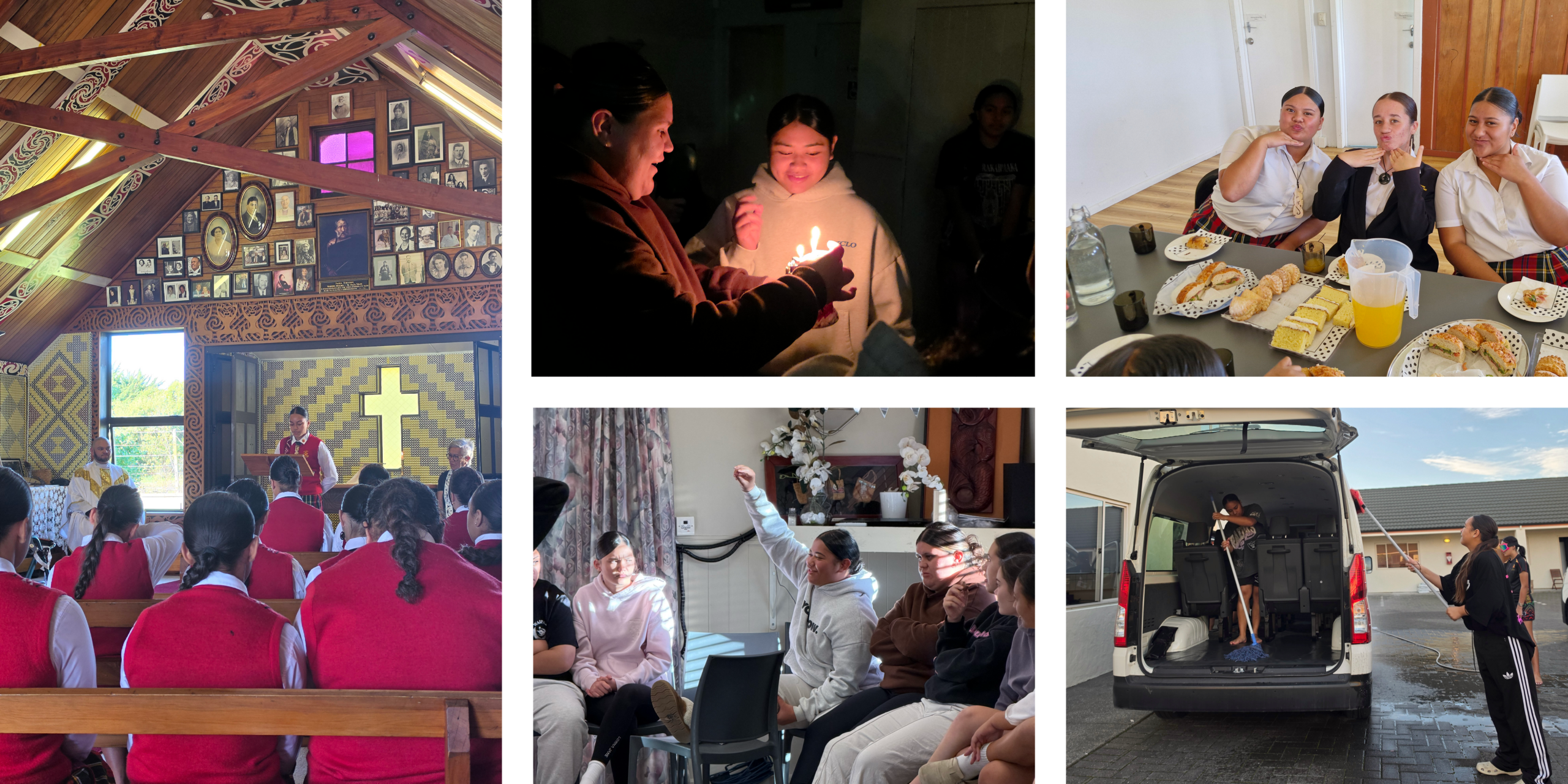
Boarding at Hukarere gives kōhine the opportunity to become part of an extended whānau. Through clear routines, supervised study, shared meals, karakia, tikanga, kapa haka, and pastoral care, our boarders build independence, confidence, self-discipline, leadership and lifelong friendships.
Welcome to our Wharenoho!
Our wharenoho carries the legacy of Hukarere: nurturing wāhine Māori to stand confidently in who they are and who they are becoming.
Our wharenoho is grounded in Te Hāhi Mihinare, te ao Māori, manaakitanga, whanaungatanga, aroha, tika and pono. These values are woven through everyday hostel life and rhythms, from karakia and shared meals, to study, duties, recreation, rest and whānau communication.
At the heart of our wharenoho is Oranga Ake — a flourishing life shaped by Aroha, Rongo and Hari: love, peace and joy.
Why choose Hukarere Wharenoho?
A strong sense of belonging
Kōhine live as part of an extended whānau where relationships matter. Staff work to create a safe, respectful and caring environment where every boarder is encouraged to feel settled, supported and connected.
A kaupapa Māori and Mihinare foundation
Te reo Māori, tikanga, whakapapa, karakia and the special character of Hukarere are part of daily life. Our kōhine are supported to grow in identity, faith, confidence and service.
Pastoral care and wellbeing
The wellbeing of kōhine is central to hostel life. Staff support boarders spiritually, emotionally, socially and practically, working alongside whānau and kura staff when extra care is needed.
Supervised study and good routines
Boarding provides structure that supports learning. Evening study time helps kōhine develop focus, organisation, responsibility and positive academic habits.
Independence and responsibility
Boarders learn to manage daily routines, care for their spaces, complete duties, respect others and contribute to the collective life of the wharenoho.
Activities, sport and culture
Kōhine are encouraged to participate fully in kura life, including kapa haka, sport, cultural opportunities, service, leadership and recreation.